Founder Story
Why I designed Scrunchie
By Magda Ashraf, Founder
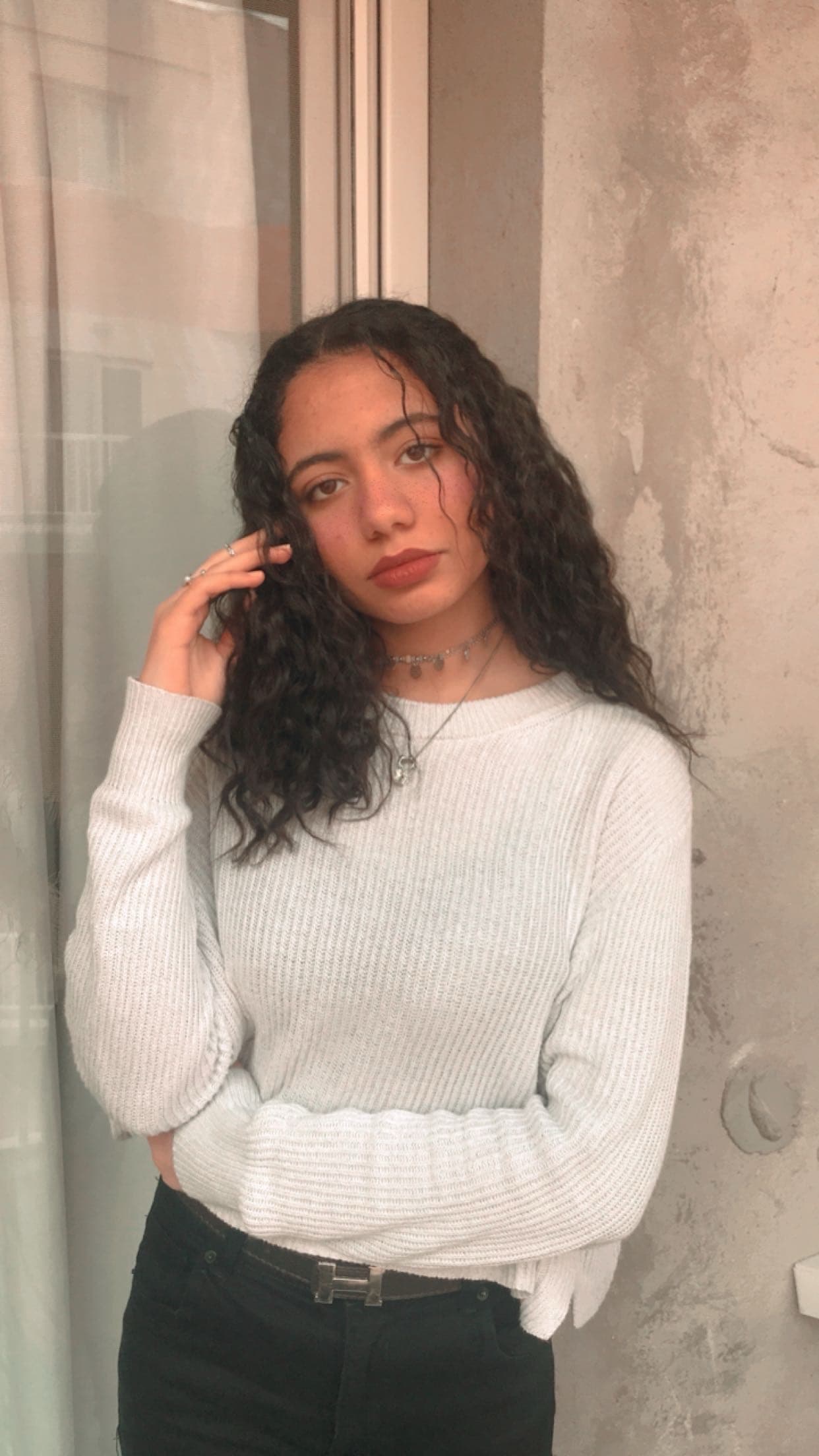
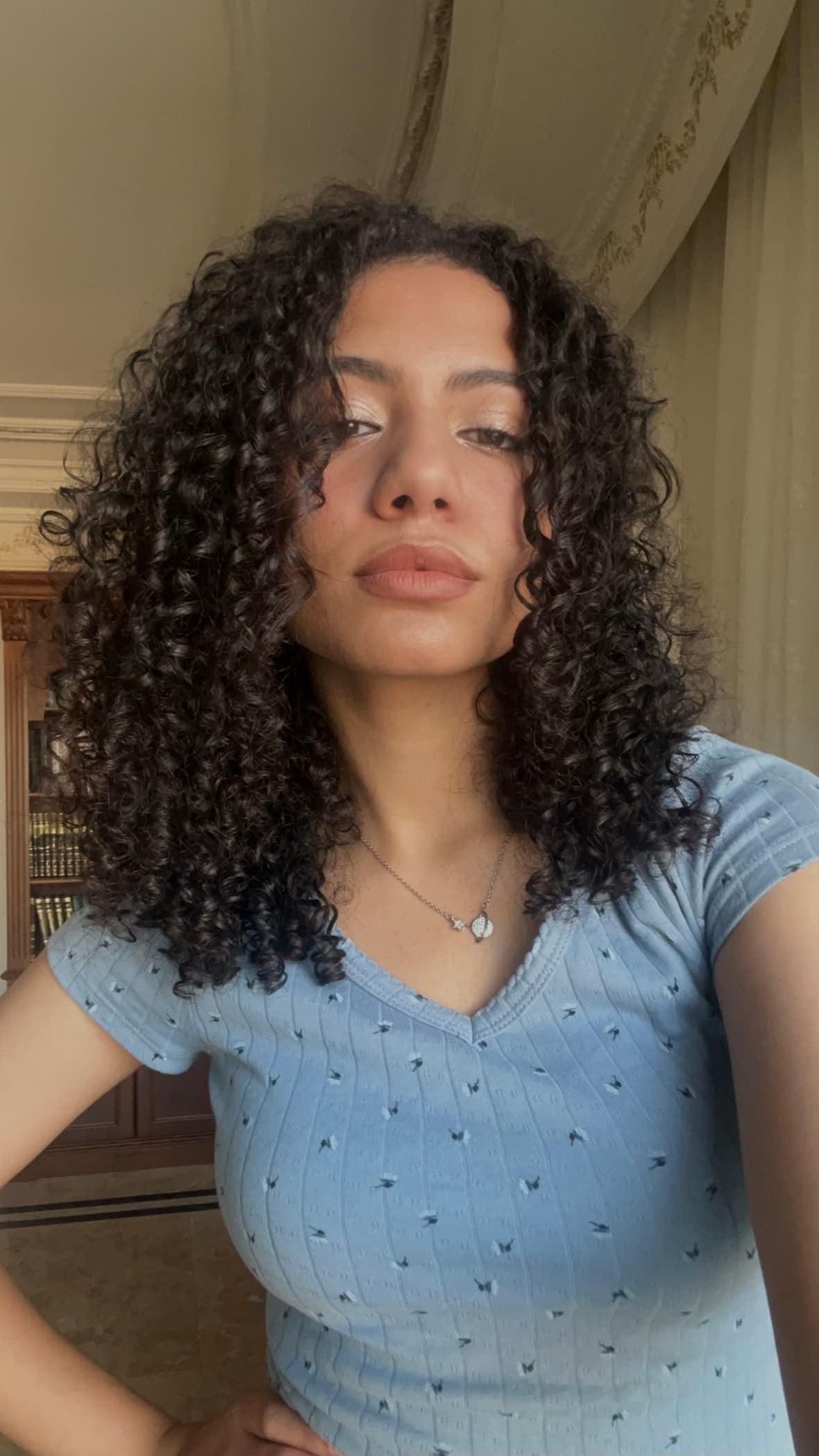
Scrunchie isn't just a curly-hair assistance app. The story goes further than that.
You will rarely find a photo of my natural hair from when I was a kid or a teenager. The photo below is from my KG2 graduation - I was about 5 years old - and it tells you a lot about how I thought about my hair, and how my society did, from a very young age.

I didn't know my hair was 3C curly. I just knew it was bad hair that needed to be straightened. To look right, I would say out loud that my hair was bad, even when I was very little, and I tried to avoid its natural look - always a bun, or heat. And yet, miraculously, my hair kept fighting back and kept growing.
I straightened my hair every chance I got. But the constant heat on my head kept me in pain and pushed me to look for a more efficient solution - a chemical one. Some people rebrand it as "treatment," but it's a chemical. It's unnatural. It only gave the illusion of a solution to my so-called bad hair.
I poured that chemical on my hair at 13. Not earlier, because earlier was supposedly too dangerous for kids. And when I felt my scalp during the application, I understood why. It was the worst pain I've ever experienced, and I'm not exaggerating. The chemical, followed by the heat afterward, felt like something burning my scalp. My head kept hurting for a long time after. I lost hair in patches on my scalp, and I had to cut off half the length because the ends were burned.


One month after the chemical, my hair wasn't straight anymore. The new growth was coming in, but the old curl patterns had gone irregular. My hair looked uglier than before, which made me even more self-conscious. So I kept heating it. I kept hiding it. I'd avoid the mirror in the shower and walk to the hairdresser with a cap on.
Before the chemical, my hair had some perks: the individual strands were strong, they could handle a lot of heat, and I had thick hair - a high strand count. After the chemical, the strands broke easily. I'd brush and hair would snap off the brush. I'd sleep and wake up to hair all over my pillow without doing anything. And length, as I said, was gone - the ends were burned.
I still didn't stop heating. I never saw a girl around me wearing her curls at that age, even though maybe 80% of Egyptian girls have curly hair. That alone tells you a lot about the social pressure. Jokes about natural hair were completely normalized. I normalized them myself - it's a default from God, it's the worst thing about my features. On TV, the only celebrity with curly hair was Shakira, and even hers wasn't natural. Even if I had wanted to stop heat, I wouldn't have dared to look ugly. And with Instagram emerging, with photos being taken of me constantly, I just wanted to look good. Any photo with my natural hair, I wanted to hide and never see again.
The worst month was always August - humidity would catch any sweat or moisture and my "ugly" hair would appear. So I'd rush home and straighten it. In August I would straighten every day or every other day, instead of once every 5-7 days. When braids became a trend, I braided heavily - Dutch braids especially - to hide my hair when I couldn't heat it. I couldn't swim without a painfully tight bun so the water wouldn't show a single curl. All these small details of discomfort that my hair caused me. And the cruel part: after all of this, I still got no peace from social pressure. My hair was still called ugly unless it was freshly blow-dried.
Dermatologist after dermatologist
A year and a half after the chemical, I went to a dermatologist. I remember he looked at my hair and felt sorry for me. He told me it would be a long process to get my natural hair back. I told him I didn't want my natural hair - I just wanted my hair to be normal, to stop breaking, to grow back in the empty patches on my scalp. He tried to be patient with my narrow-minded head and explained: there's no way to fix this unless you stop applying heat, because you have to remove the cause. He prescribed medication and told me it wouldn't solve the problem on its own. At least it'll reduce it, I asked. At least your hair will grow normally, he said.
The side effects were bad - hormones, blood pressure - so I had to change medications. I switched dermatologists. Then switched again. And again. The sarcastic part is that every single one told me the same thing: stop applying heat. I'd try, find myself unable to leave my room, and decide it wasn't practical.
The three-times-more-expensive hairdresser
Eventually I found a new hairdresser. He was three times more expensive than a regular salon, but he treated the hair better. I started taking care of my hair and heating it less aggressively. It survived. No more hypersensitivity from heat, no more constant breakage. But the growth and thickness were still bad, so my hairdresser suggested moisturizing and oiling sessions without heat - so the new growth would be healthy and easier to style.
I didn't fully understand what he meant, but I reduced heat to once every two weeks. My hair stopped being dry. Growth improved slightly. But styling was still a struggle: one week braids, one week heat.

Entering high school, the peer pressure to straighten went up. But there was also so much more pressure on studying and grades that it became harder to focus on my hair. I'd leave the house at 8am for school and not be home until 11pm, between classes and extra courses. I'd do my hair maybe once, rarely twice, a month. Only special occasions were mandatory. But I kept up the moisturizing sessions - because those actually made styling easier. I still didn't understand this was curly hair. It was still slightly heat-damaged. But at least it looked acceptable.
Curiosity creeps in
Over time, I started seeing more and more of the curl pattern come through. I was curious about what my real hair would look like - but then I'd remember being a kid, unable to style it, and push the thought out of my mind. I still didn't like it. Sometimes I'd just look at it out of curiosity, at that exact stage where it was heat-damaged but somehow still trying to curl.
People started getting curious too. Friends began complimenting the new pattern and suggesting styling methods I hadn't tried - maybe something for my hair that didn't require heat. I started looking online. There was no AI to analyze my hair. There was no way to actually know anything. Every time I asked Google, the answer was the same: stop heat entirely. I didn't.
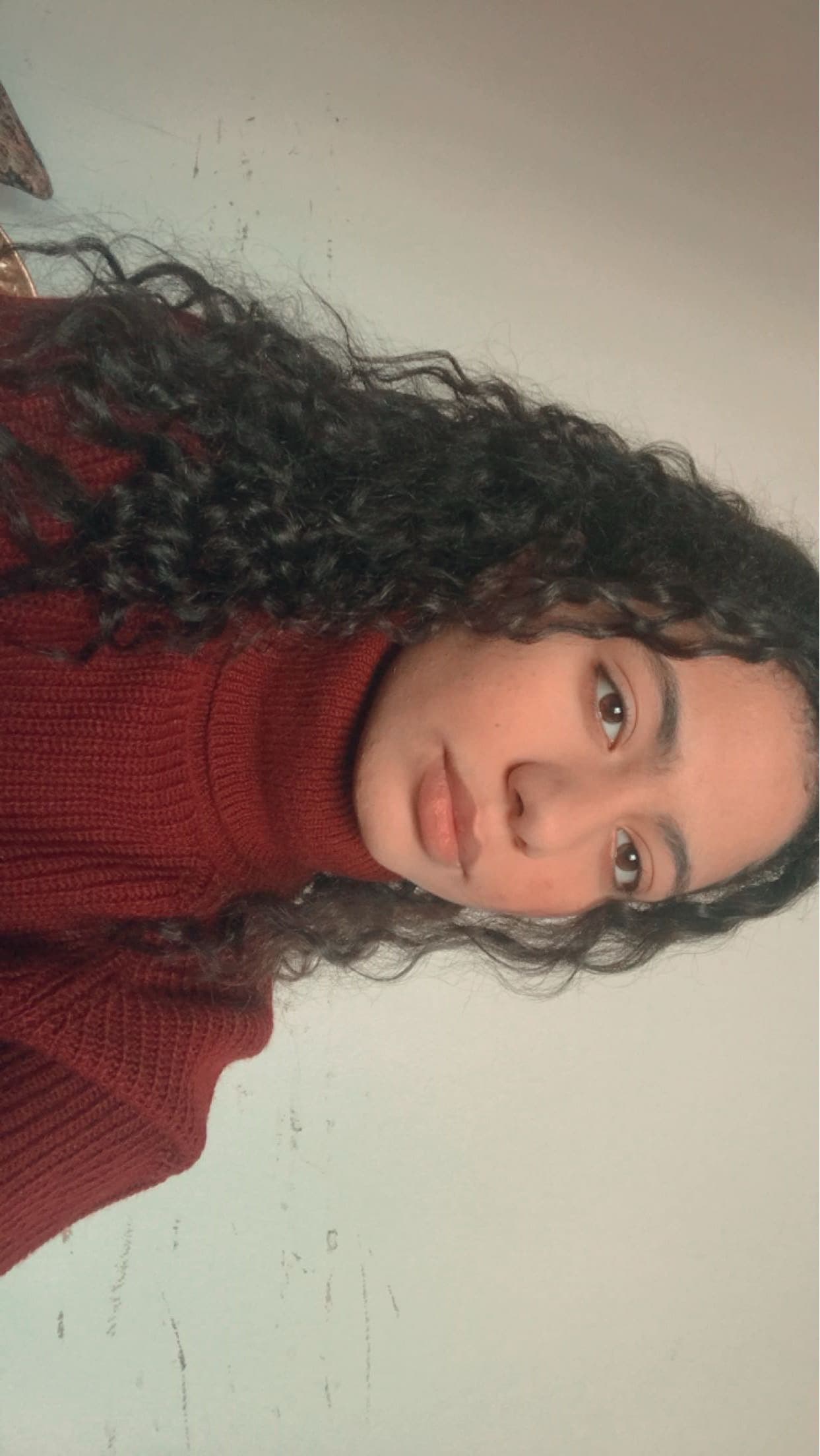
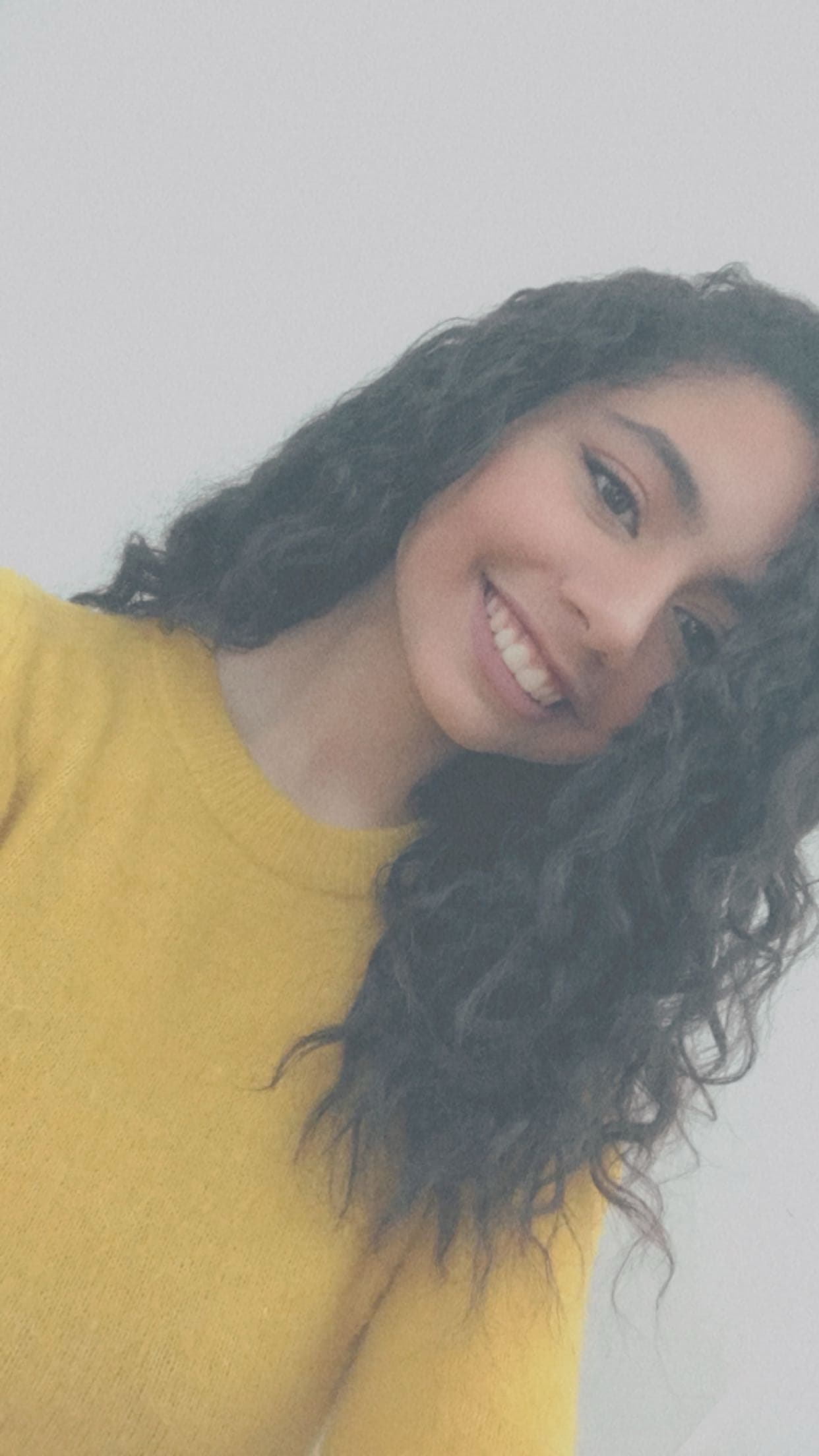
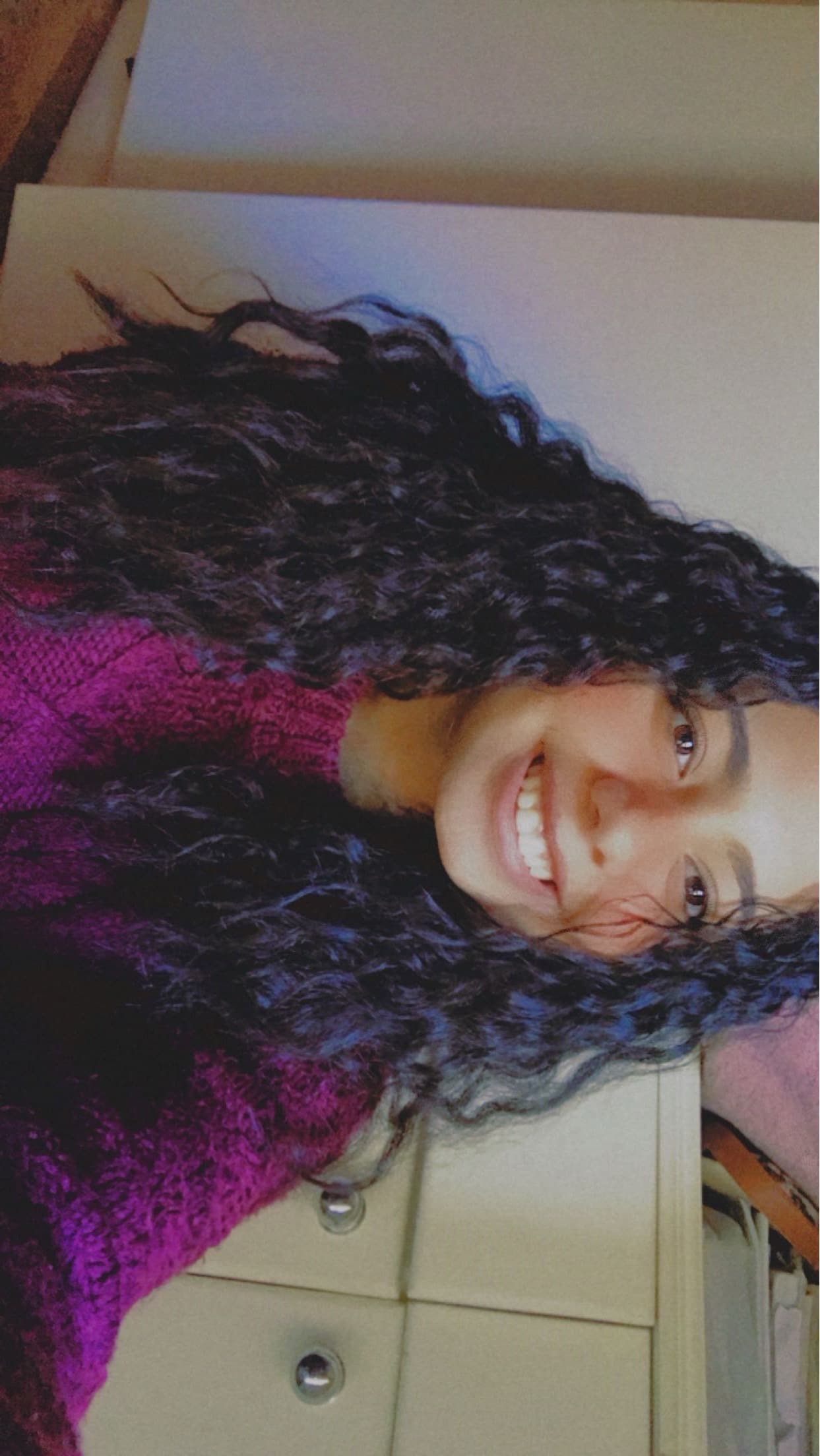
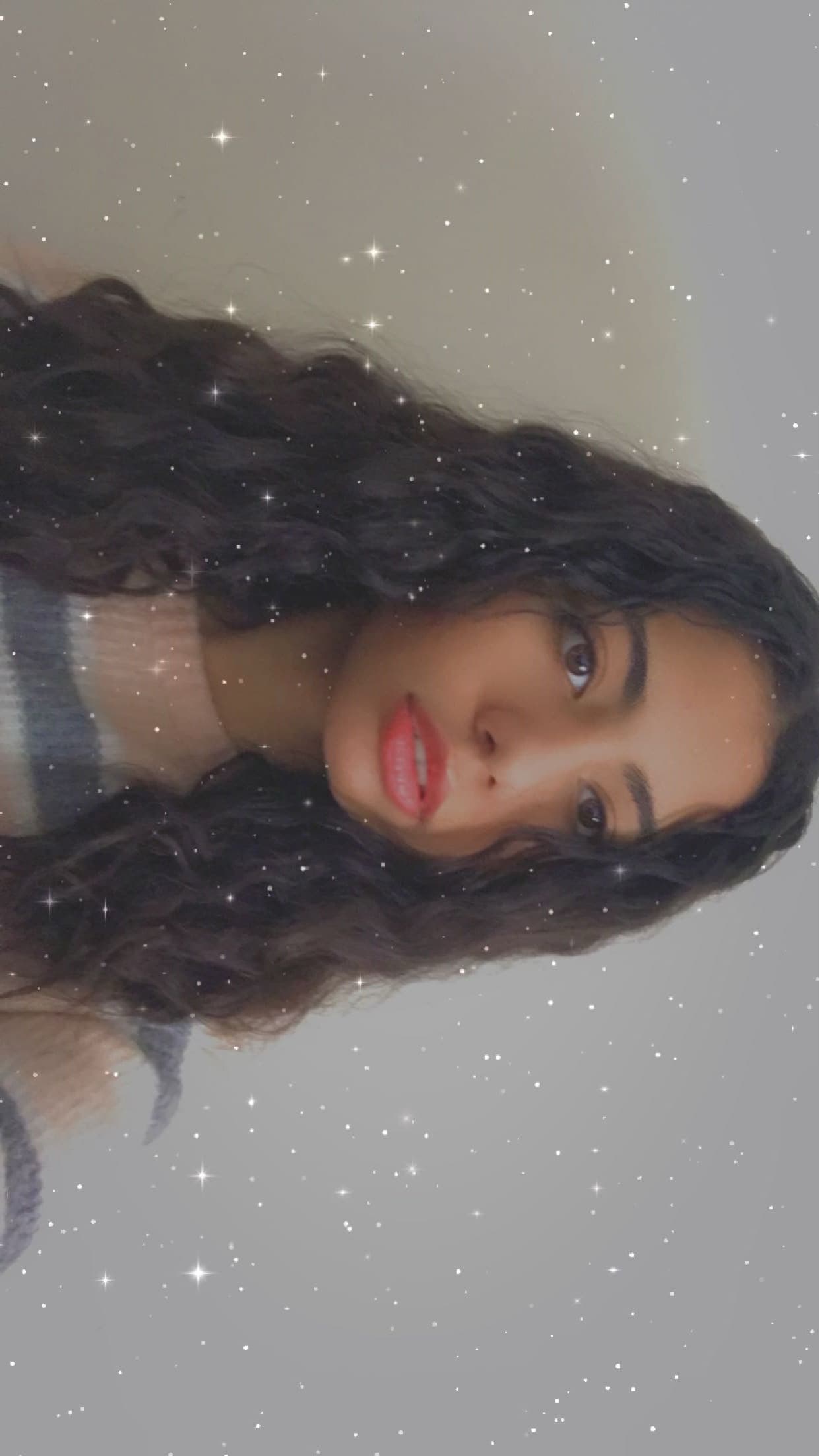
Slowly, I started saying you know, it's not that bad - I could post this. I started going to outings with my natural hair, posting looks that a year earlier would have been impossible. But I still didn't quit heat. For special occasions, I wanted my hair to look "perfect." And when new, curlier growth came in, I felt I had to control it with heat to keep the hair uniform.
Lockdown: no more reason to force it
Then COVID came. Everything shut down. Quarantine meant there was no reason to force my hair into anything. I kept it natural. And that's when I started seeing curl types and patterns I'd never noticed before - and realized they weren't all the same across my head. I didn't know what that meant yet, but it kept growing, and I kept looking. For the first time, I felt a bit of freedom. Less self-conscious. Nobody was watching. There were no events. No need to appear perfect.

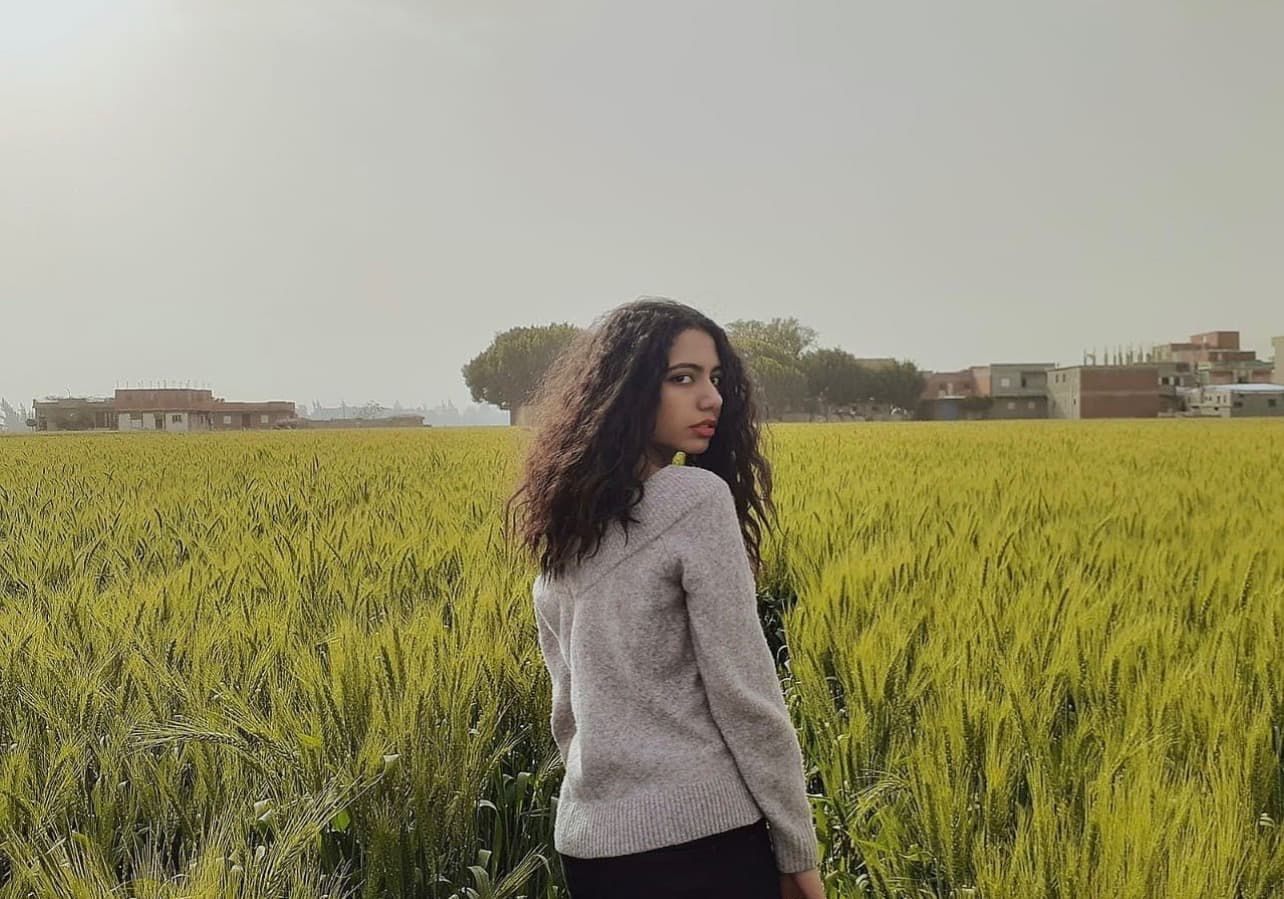
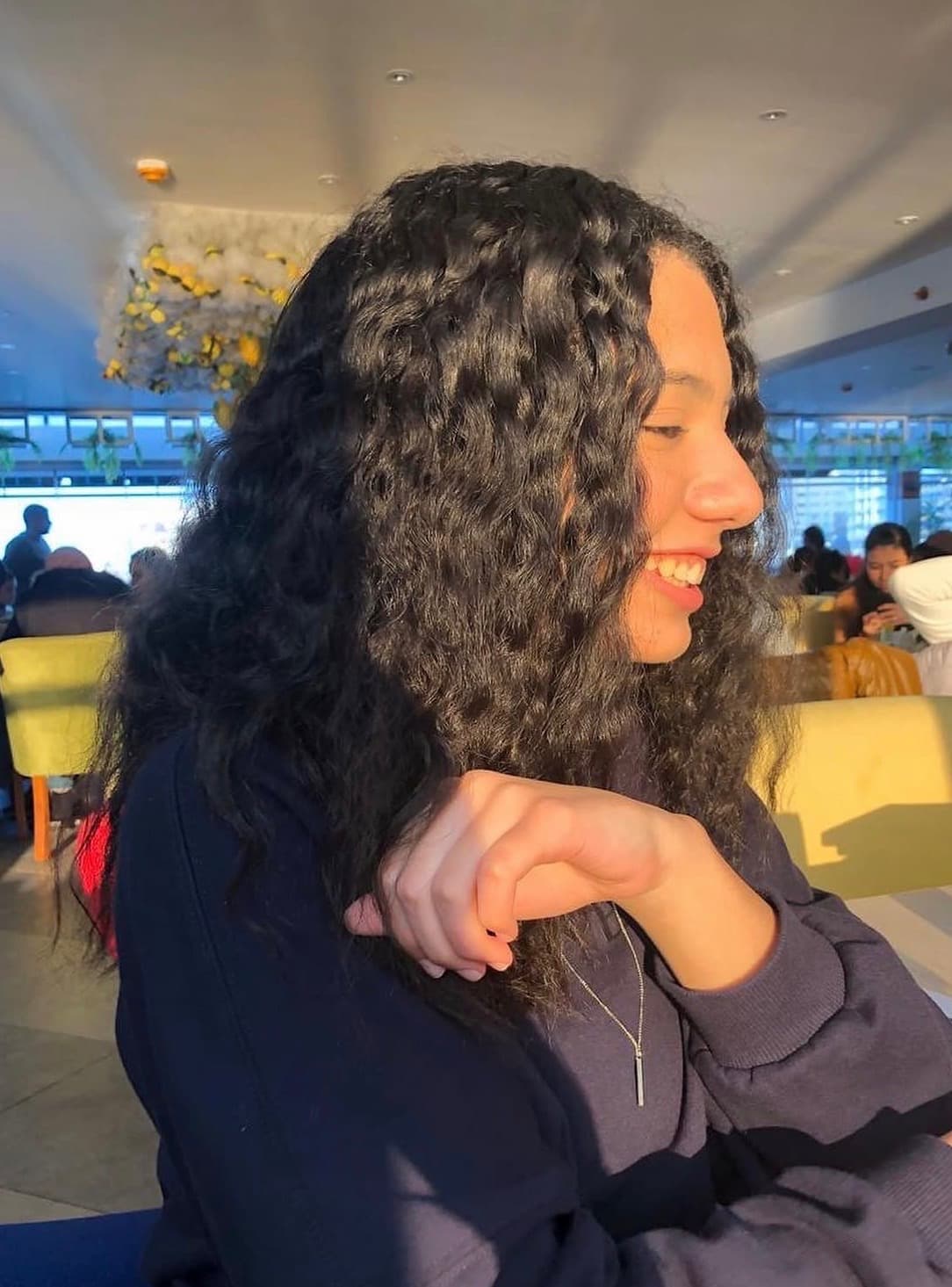
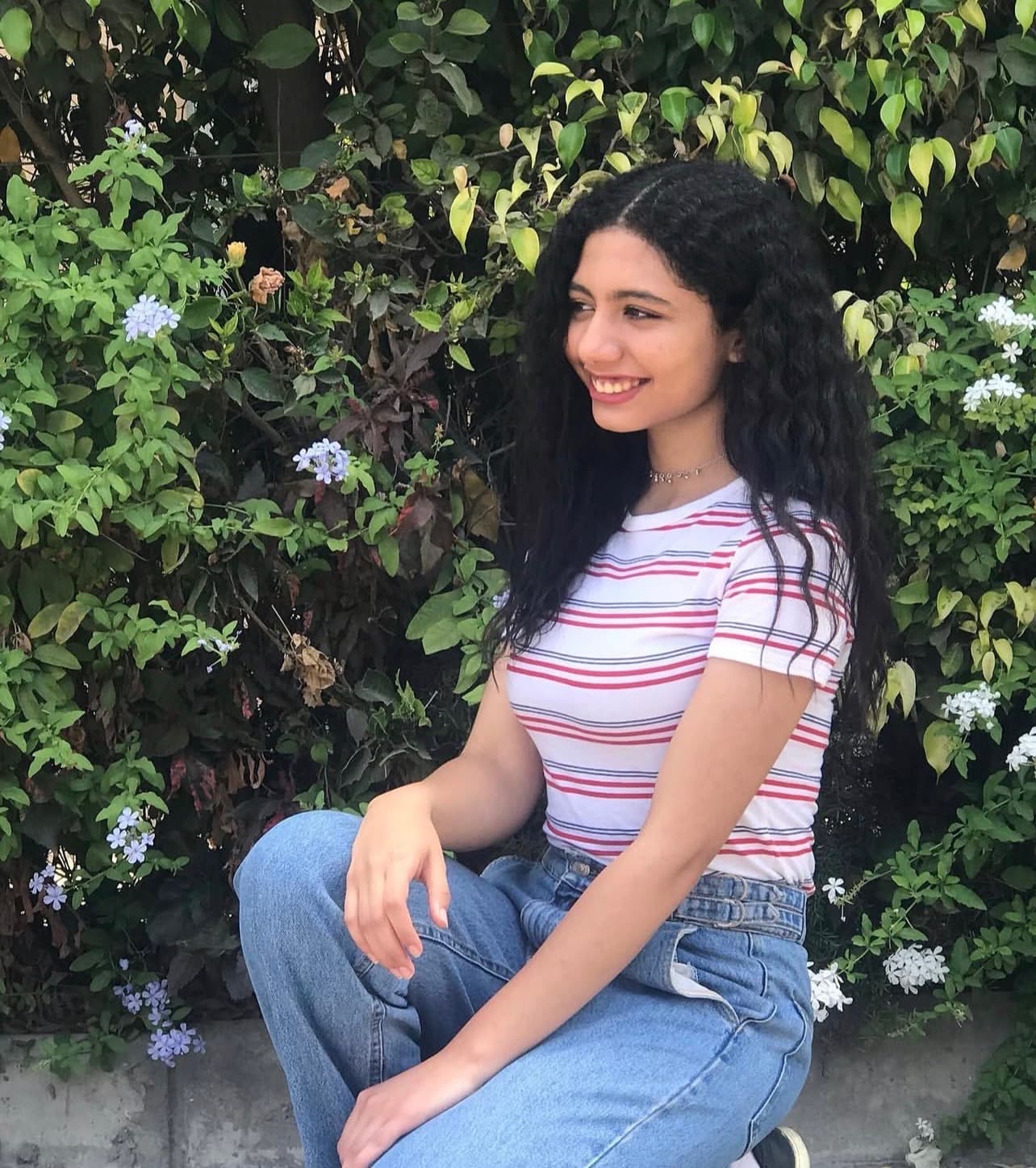
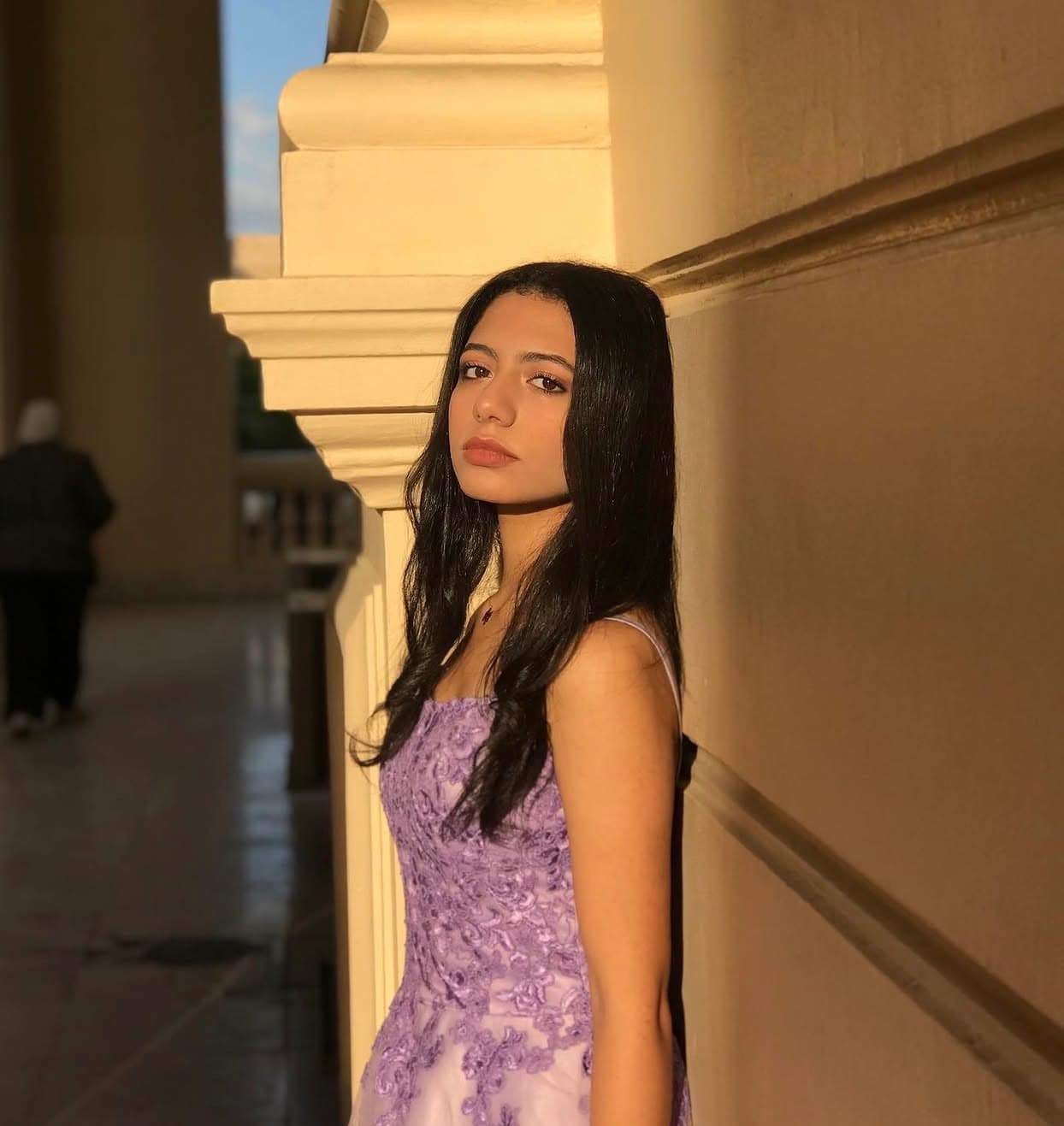
After quarantine, curly-hair products started showing up everywhere. Curly-hair content started appearing online. I started looking at my hair differently. I searched everywhere for a curly-hair expert who could tell me what to do, and I finally found one. She told me two things: I'd have to cut off the heat-damaged length (I tried to skip that step - it never worked), and I'd have to learn how to style curls. It was a whole new world: leave-in, gel, creams, steps on steps. At first, I couldn't understand it.
September 2021 - the big chop
In September 2021, I took the step. I straightened my hair one last time for my graduation. Then I cut it.
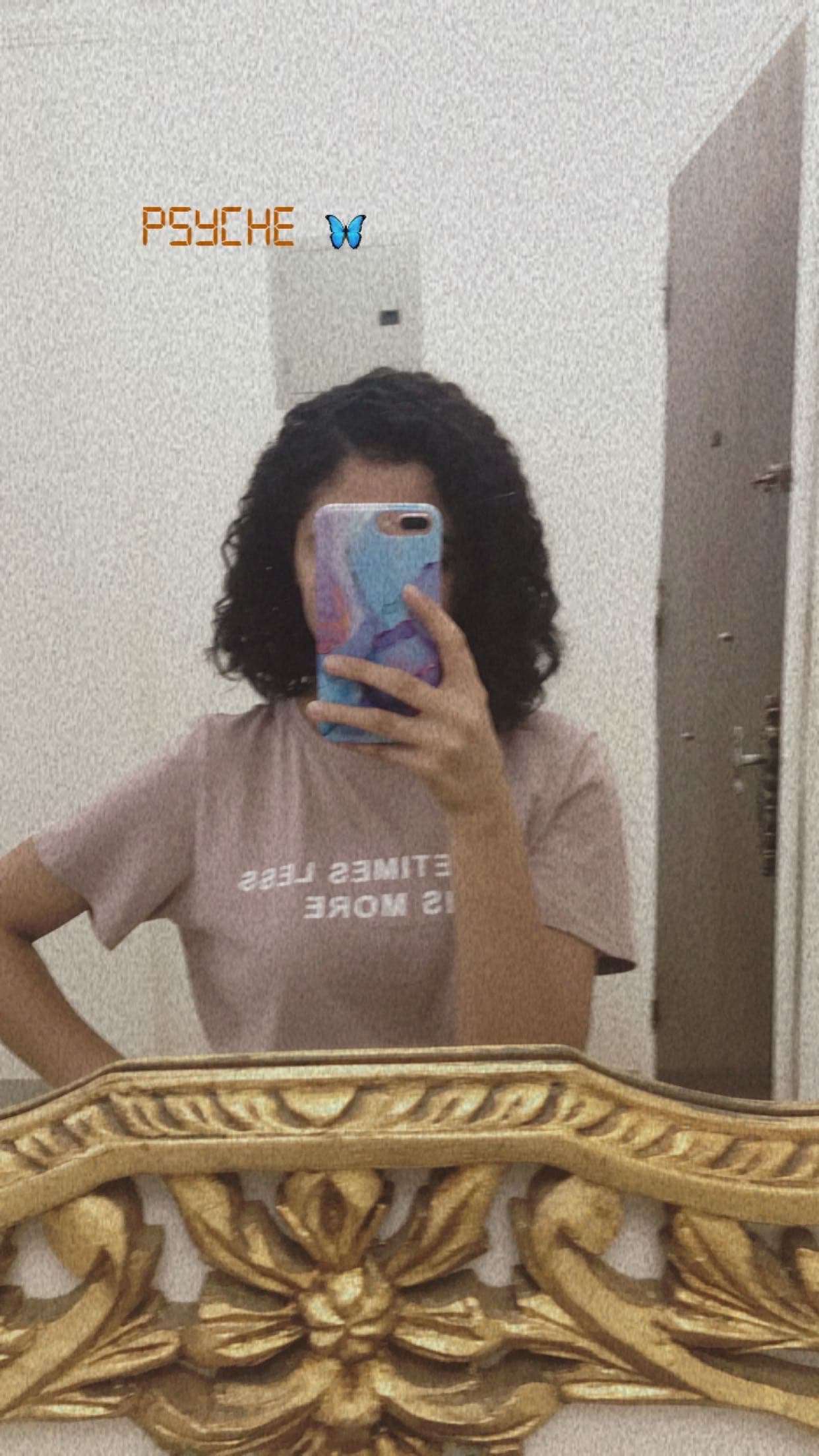
When I cut it, everyone asked why did you do that? You looked better straight. I was used to you straight. I started going numb to those comments - because the cut was less painful than the chemical or the daily heat on my scalp. But the journey wasn't easy. I didn't understand why my curls weren't uniform. Why there was frizz. Why my hair was over-moisturized one day and dehydrated the next. Out of 25 washdays, maybe one worked.
That was because I didn't understand a lot of things:
- humidity
- my curl type
- that I had mixed curl types across different parts of my head
- porosity
- moisturizer vs. protein balance
- the right haircut for my hair
- how to sleep with it
Every time I tried to solve one problem, another hundred surfaced that I didn't know existed. I stayed in that confusion for two years. But the important thing I learned was the self-acceptance and the freedom I felt wearing my natural hair. It was liberating. I might have looked better with heat in the transition phase - but I was more confident than I had ever been.
I followed everyone I could on social media to collect information from every direction. Bear in mind, I was a media student at the time, and in my field appearance really matters. So I had to figure out how to make my hair look classy without damaging it with heat. I was the only student in my class - one of maybe three in the whole college - still wearing her curls. Every time I styled my hair well, I felt a little special.
Spain, and the humidity insight
I went on a tour of every curl expert and every stylist I could find in my town, then in the capital city, just to understand my hair. But it would still get frizzy for reasons I couldn't explain.
That changed when I moved abroad to study in Spain. I tried products from dozens of brands across different countries. I travelled a lot for three consecutive years. I understood that environment matters - not every product an influencer recommends actually works in high humidity. A thick leave-in, for example, is what I need in humid climates, while in dry climates that same product is too heavy and weighs my curls down. I learned to style my hair in ten minutes, because I was always busy, always moving, always overexposed, and always needing to look good.
Trying that many brands also taught me something uncomfortable: most of the major "curly hair" kits on the market are built without any real understanding of curl types or porosity. And I mean huge brands. They profit off the category without understanding the hair. It's easy to pay influencers and move product - much harder to actually teach. A huge part of my struggle over the years was that no one wanted to explain my hair to me properly. Things like porosity, humidity, frizz, the right haircut - I should have learned those in my first year. Not after all of this.
Eventually I found a hair expert who actually understood my hair, and for the first time it was styled correctly. I started going to different curly-hair salons to understand the differences between every curly strand and type. Those became the building blocks of my first proper routine.
My hair profile - for the record
- Type
- 3B / 3C mixed
- During transition
- Finger-rolling and finger-coiling depending on strand type
- When healthy
- Rake and shake
- Needs
- Deep conditioning, loves water, sectioning while styling
- Frizz triggers
- Higher when styled with too little water. Also higher with too much gel - medium gel or mousse is the sweet spot
- Haircut
- 3-5 layers
- Loves
- Oils - which is why oiling sessions worked for me
How curly hair changed my life
When I first went to college with my curls, some people tried to convince me to straighten again. Over time, they started admiring it. When I started working, my hair became my signature - people would ask me how I did it. Summer became my favorite season, because sea salt forms curls so easily. I went to my graduation wearing my natural hair. The humidity was high - no amount of heat would have survived it. My natural hair did.
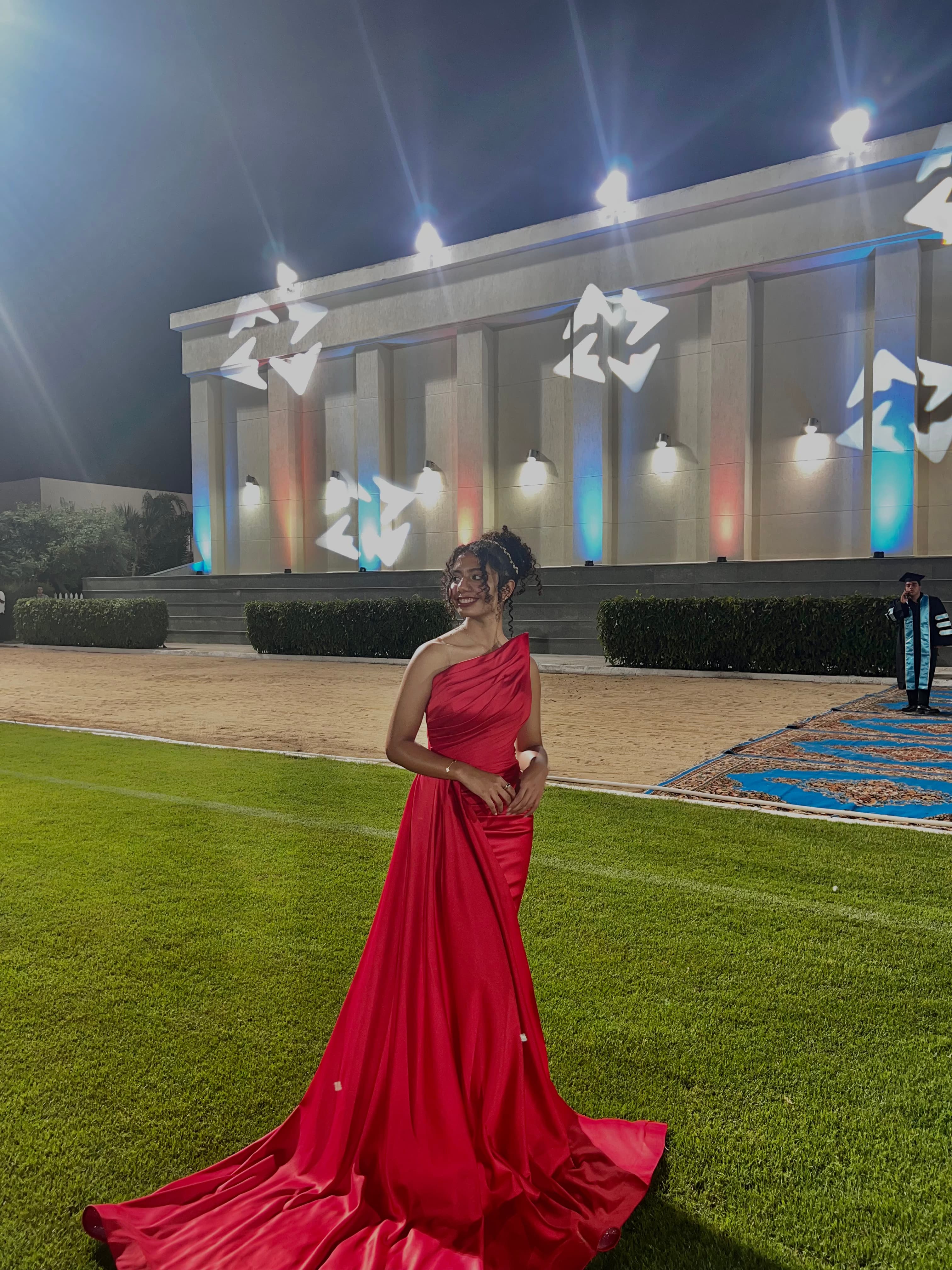
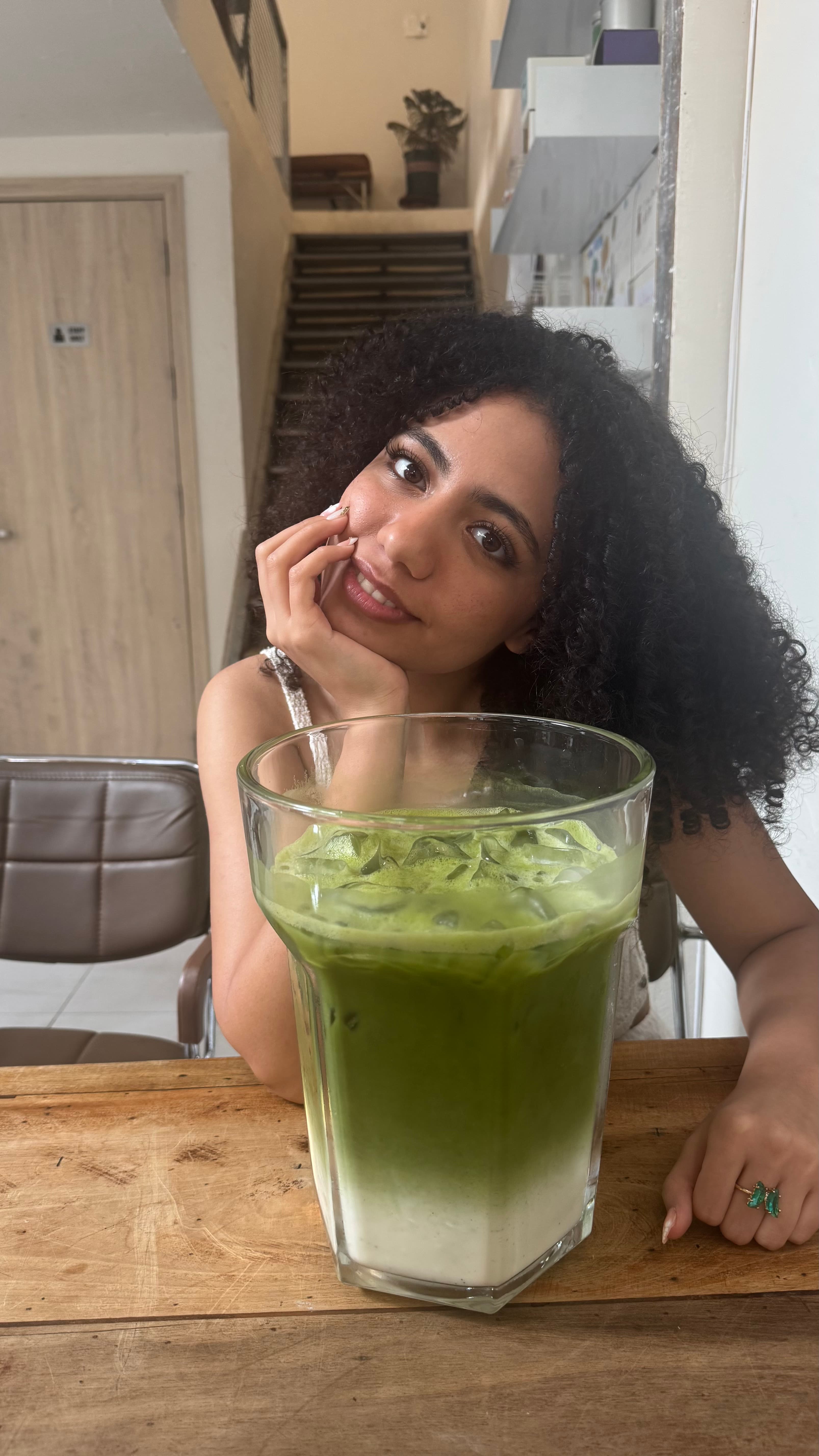
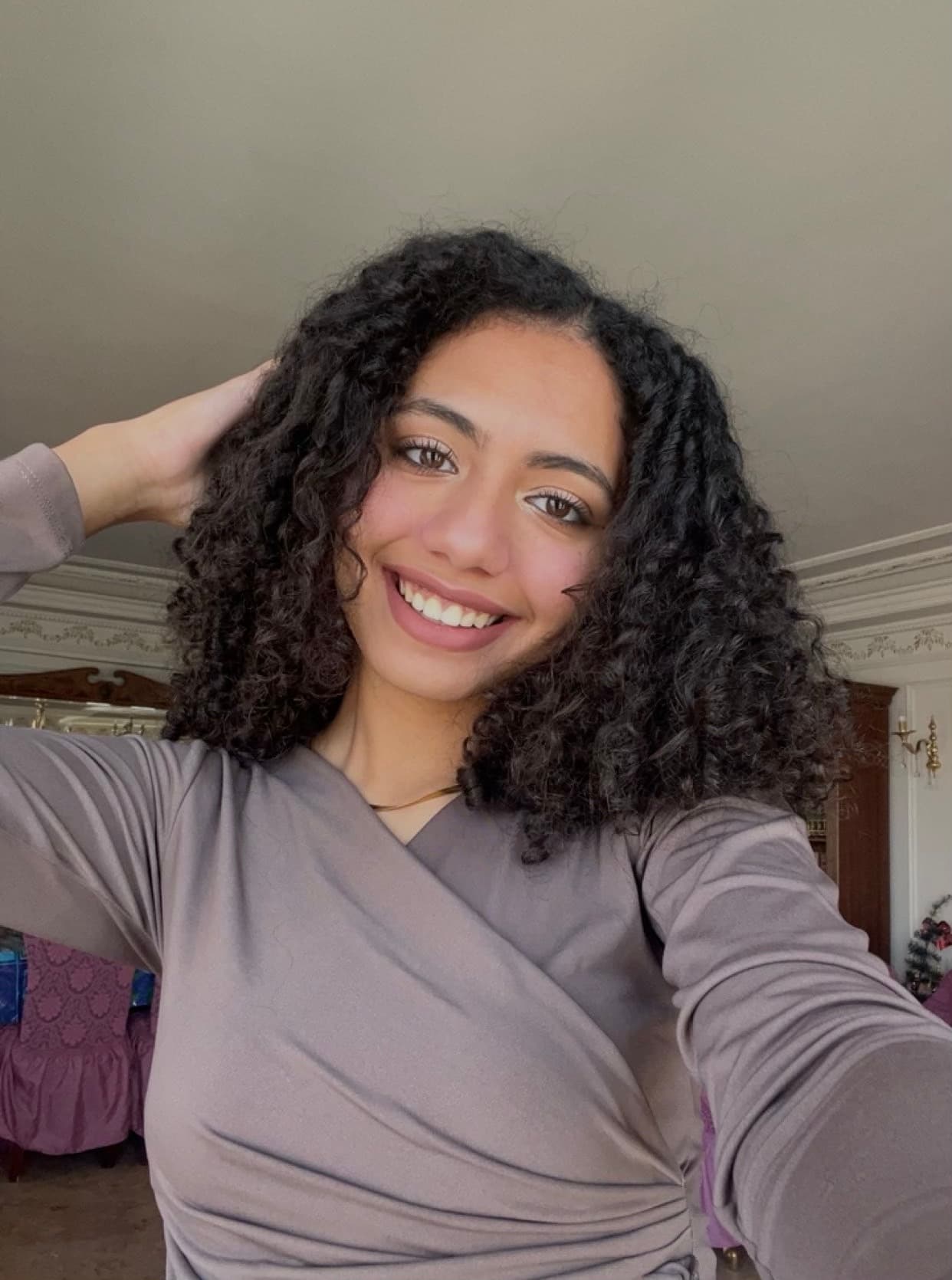
My journey with curly hair went through every stage possible and every type of stress - non-acceptance, ignorance, the desire to fit in. It's hard to understand the gifts your body gives you, especially when they're complicated, like my hair. But the confidence I feel now, the way I feel when I look in the mirror - it's priceless. Maybe to some people I look better straight. Maybe I'll straighten my hair occasionally as a change, without damaging it. But I'm sure now that every time I do, I'll miss my curls. They're who I am.
Sometimes I ask myself what it would have been like if young me had the knowledge I have now. Maybe I wouldn't have gone through all the pain. Maybe I'd have more childhood photos with my natural hair. Maybe I'd have better memories.
Why Scrunchie
I wanted to do something for every person like me. I wanted the information to exist in every room, right in front of the mirror, so every curly head would know how to style their hair.
So in very late nights after my job, I worked every day designing an app for curly heads. It was a big challenge - nothing in this niche had been built before. I had to come up with an idea that could cover all those questions, give knowledge, give confidence, give assistance, and give the change we needed. Eventually I quit my job entirely to focus on it.
Maybe it was a childhood dream. Because my inner child, now, is happier than real-child me ever was. :)